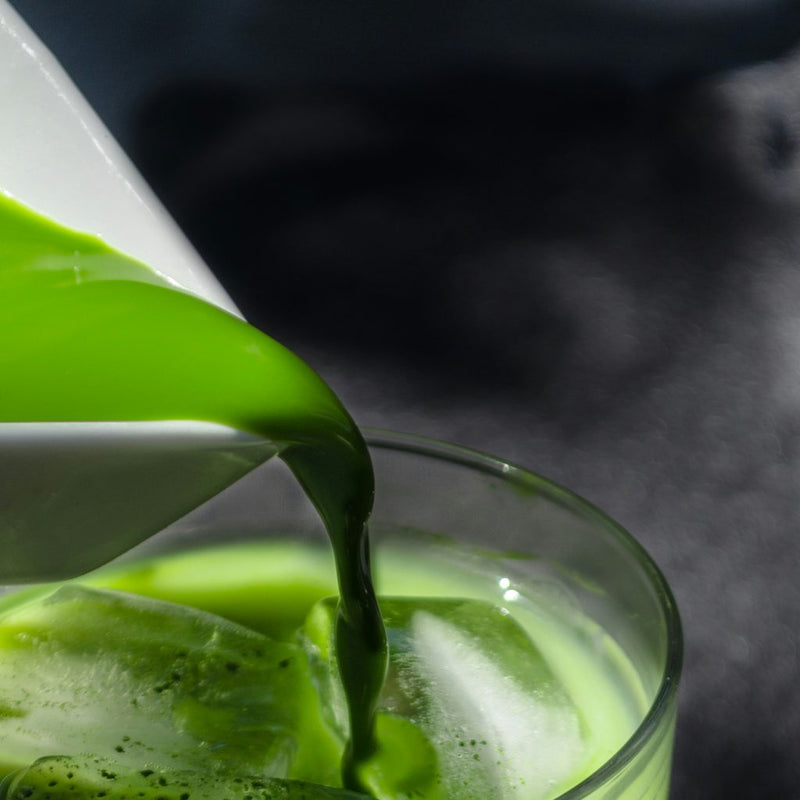
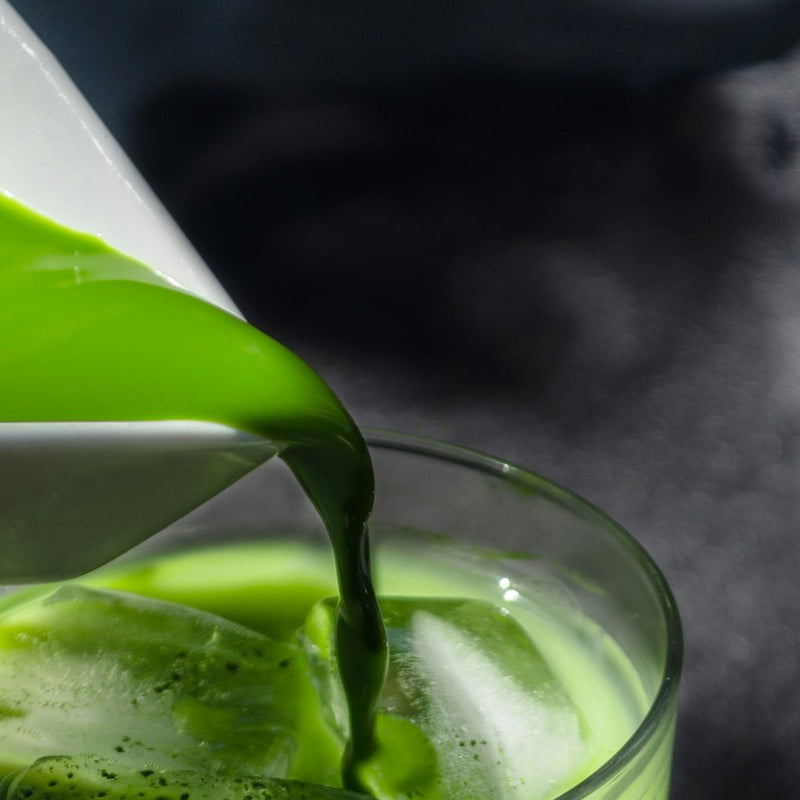
What is matcha and why is it so healthy?
What is matcha and why is it so healthy
Matcha is becoming increasingly common. In coffee shops, on social media, and in the routines of people serious about energy and focus. But what exactly is matcha, and why are more and more people choosing it over coffee?
What is matcha
Matcha is finely ground green tea from Japan. Instead of steeping tea leaves and discarding them, with matcha, you drink the entire leaf.
That makes a big difference. You get all the nutrients, not just an extract.
How matcha is made
The tea plants are shaded for weeks before harvest. This causes them to produce more chlorophyll and L-theanine.
After harvesting:
- the leaves are steamed
- dried
- slowly ground into powder
This process results in its characteristic color, taste, and effects.
Why matcha is healthy
Matcha contains a unique combination of compounds that work together.
- L-theanine: provides calm and focus
- Caffeine: provides energy without a peak
- Antioxidants: support your body
- Chlorophyll: gives its green color and supports detox
Matcha vs. coffee
- Coffee: quick energy, followed by a dip
- Matcha: stable energy, no crash
This is due to the combination of caffeine and L-theanine.
When to drink matcha
Matcha fits into several moments:
- in the morning
- during work
- before sports
Many people use it as a coffee substitute.
Why origin matters
Not all matcha is created equal. Japanese matcha is the standard. Within Japan, there are regions like Kagoshima and Uji.
Kagoshima matcha is smoother and less bitter, making it suitable for daily use.
How matcha tastes
Good matcha is smooth, creamy, and slightly sweet. Bad matcha is bitter and flat.
Conclusion
Matcha is more than tea. You drink the whole leaf and therefore get more nutrients.
The combination of caffeine and L-theanine provides stable energy and improved focus without a dip.