Matcha and meditation: why Zen monks have been combining them for centuries
01-09-2026 · 7 min read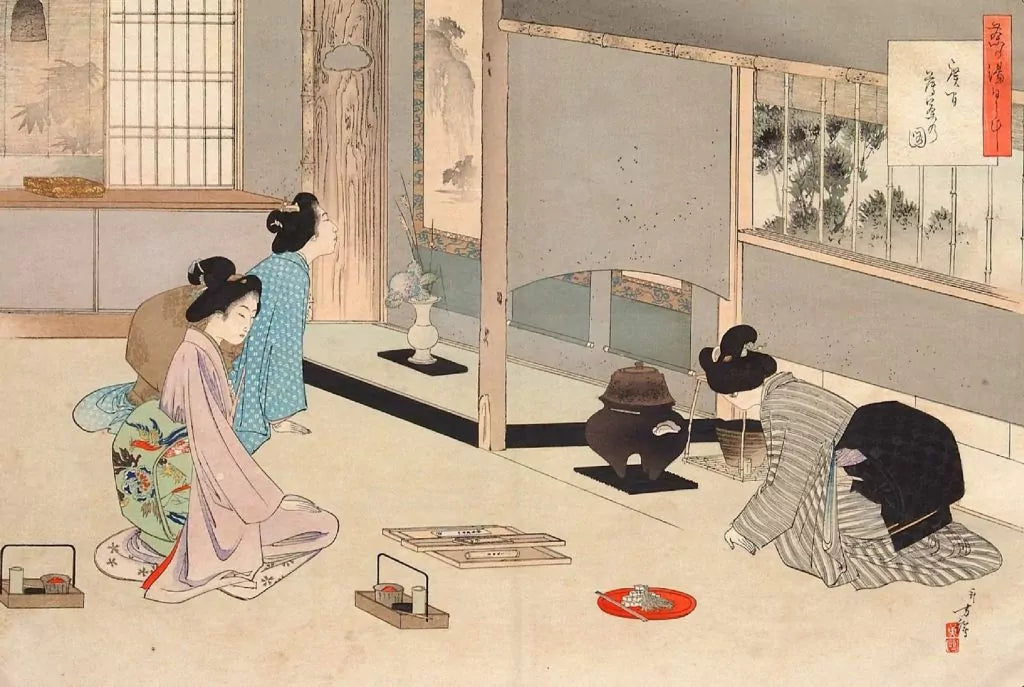
Reading time: 7 minutes · Last updated: June 2025
Matcha and meditation have been an inseparable duo for centuries. Matcha is a Japanese powdered tea that, through its unique combination of L-theanine and caffeine, promotes a state of alert calm—exactly the mental state you strive for during meditation. Zen monks in Japan discovered this as early as the twelfth century, and science now confirms why this combination works so powerfully.
Why matcha and meditation strengthen each other
L-theanine in matcha increases alpha-wave activity in the brain, the same waves that also increase during successful meditation, helping you reach a focused, relaxed state more quickly.
The link between matcha and meditation is no marketing story. The amino acid L-theanine, which occurs in high concentrations in shaded teas such as ceremonial matcha, crosses the blood-brain barrier and stimulates the production of alpha waves. A study in Nutritional Neuroscience (2008) showed that 50 mg of L-theanine (the amount in about 2 grams of matcha) causes a significant increase in alpha-wave activity after just 40 minutes.
Alpha waves are associated with a state of relaxed alertness. That is precisely what experienced meditators achieve after minutes (sometimes tens of minutes) of practice. In a sense, matcha gives your brain a head start.
At the same time, matcha contains approximately 60 to 70 mg of caffeine per cup, but unlike coffee, this caffeine is released slowly because it is bound to catechins such as EGCG. The result: stable energy without the peaks and crashes that can disrupt your meditation.
The history: Zen monks and matcha
The Japanese Zen tradition has used matcha since the twelfth century to maintain long-term meditation without sleepiness.
The monk Eisai brought tea powder and tea seeds from China to Japan in 1191. He described matcha as a tool for "clarity of mind" and used it for meditation sessions that could last for hours. The Japanese tea ceremony (chanoyu) that emerged from this is itself a form of moving meditation: every action, from sifting the powder to whisking with the chasen, requires full attention.
This ritualistic aspect is no side issue. Research from Harvard Medical School (2011) shows that routine-based actions facilitate the transition to a meditative state. Preparing matcha, with a chasen or electric whisk, can serve as such a conscious transition routine. You can read more about the history of matcha and the Japanese tea ceremony in our in-depth article.
What does science say about L-theanine and focus?
Multiple studies show that L-theanine improves attention and reduces anxiety, two factors that are crucial for effective meditation.
A double-blind, placebo-controlled study published in the Journal of Clinical Psychiatry (Hidese et al., 2019) examined the effect of 200 mg of L-theanine per day on stress and cognitive functions. The researchers found significant improvements in sleep quality, stress reduction, and verbal fluency. Although 200 mg is more than what one cup of matcha contains, it demonstrates that L-theanine has measurable effects on mental performance.
Furthermore, a meta-analysis in Phytomedicine (Williams et al., 2020) showed that the combination of L-theanine and caffeine (exactly the combination found in matcha) improves attention by approximately 8% compared to caffeine alone. This suggests that matcha is not simply "tea with caffeine," but a synergistic product.
Comparison: matcha vs. coffee for meditation
| Factor | Matcha | Coffee |
|---|---|---|
| Caffeine per serving | 60-70 mg | 95-200 mg |
| L-theanine | ~25-50 mg | Absent |
| Alpha-wave stimulation | Yes (proven) | No |
| Energy release | Gradual (4-6 hours) | Peak after 30 min, crash |
| Effect on heart rate | Minimal increase | Noticeable increase |
| Suitable for meditation | Excellent | Less suitable |
Do you want to know more about the differences? Read our article on matcha vs. coffee and the biochemistry behind focus.
How do you use matcha as a meditation ritual?
A simple 5-minute matcha ritual before your meditation can serve as a mindfulness transition and increase the effectiveness of your session.
You don't need a Japanese tea room to combine matcha and meditation. A practical ritual looks like this:
- Prepare your matcha consciously. Sift 1.5 to 2 grams of ceremonial matcha into a bowl. Use water at 70 to 80 degrees Celsius (never boiling). Whisk it with a chasen or electric whisk until smooth and frothy. Do this with full attention: listen to the sound, look at the color, smell the grassy umami aroma.
- Drink slowly. Take 3 to 5 minutes for your cup. Taste it consciously. Due to the volcanic soil around Sakurajima and the subtropical climate, ceremonial matcha from Kagoshima has a soft, creamy umami profile without sharp bitterness, ideal for reflecting upon.
- Wait 15 to 20 minutes. L-theanine reaches its peak effect after about 30 to 40 minutes. Therefore, start your meditation 15 to 20 minutes after your last sip.
- Meditate. Whether you practice breathing exercises, body scans, or zazen: the alpha waves stimulated by L-theanine will help you reach a state of deep focus more quickly.
This ritual also fits perfectly into a morning routine with matcha.
Which matcha should you choose for meditation?
For meditation, you want matcha with a high L-theanine content: this means first harvest (ichibancha), shaded for at least 20 days, and stone-ground.
Not all matcha is created equal. Culinary-grade matcha, often used in lattes and baked goods, contains significantly less L-theanine than ceremonial matcha. The difference lies in the cultivation: for ceremonial matcha, the tea plants are covered for at least 20 days before harvest. This forces the plant to produce more L-theanine (up to 5 times as much as unshaded tea).
The matcha from Unmatched Matcha comes from Kagoshima, the largest matcha-producing region in Japan (responsible for about 40% of Japanese tea production). The mineral-rich volcanic soil produces a tea that is naturally softer and creamier than matcha from more northern regions like Uji. This also makes it more pleasant to drink plain, without milk or sugar, exactly as you want it for meditation.
Would you like to try it? The 30-gram ceremonial matcha from Unmatched Matcha is an ideal starting point: enough for about 15 to 20 cups, organic, single-origin, and without additives.
What matcha cannot do (honest nuance)
Matcha is not a miracle cure for meditation. If you have trouble sitting still, a cup of tea will not solve that. The L-theanine in matcha supports the process but does not replace consistent practice. Experienced meditators get the most out of the combination; beginners sometimes only notice the effect after weeks of daily use.
Furthermore: if you are sensitive to caffeine, even the moderate amount in matcha can cause restlessness. In that case, do not drink your matcha too late in the day. The article on matcha and the right timing will help you find the ideal schedule.
Always consult your doctor in case of health issues or doubts, especially if you are taking medications that may interact with caffeine.
A unique insight: the "theanine-meditation window"
What most articles on this subject fail to mention: the timing of L-theanine absorption creates an optimal window for meditation. L-theanine is absorbed in the small intestine and reaches peak blood concentrations after 30 to 50 minutes. The alpha-wave stimulation then lasts for about 2 to 3 hours. This means that after one cup of matcha, you have a wide "meditation window," which is ideal if you do longer sessions or plan multiple short sessions. This is an advantage over supplements with isolated L-theanine, as the caffeine in matcha synergistically strengthens the effect rather than working against it.
Frequently Asked Questions
How much matcha should you drink before meditation?
One cup of 1.5 to 2 grams of ceremonial matcha is sufficient. This provides approximately 25 to 50 mg of L-theanine and 60 to 70 mg of caffeine, enough for noticeable alpha-wave stimulation without restlessness.
When should you drink matcha before meditation?
Drink your matcha 15 to 20 minutes before your meditation session begins. L-theanine reaches its peak effect after 30 to 40 minutes, so by that time, you will already be deep into your session.
Can matcha replace meditation?
No. Matcha supports the mental state you strive for during meditation but does not replace the practice itself. See it as a tool that helps you reach focus faster.
Is matcha better than green tea for meditation?
Yes, because with matcha you consume the entire leaf, you get up to 5 times more L-theanine than with regular green tea. Read more about the difference between matcha and green tea.
Which matcha is best for meditation?
Always choose ceremonial matcha from the first harvest (ichibancha), shaded for at least 20 days. Unmatched Matcha from Kagoshima meets all these criteria and has a particularly soft flavor profile due to the volcanic soil.
Conclusion
Matcha and meditation have been allies for eight centuries, and science shows why. The unique combination of L-theanine and caffeine in ceremonial matcha brings your brain to the same wavelength as deep meditation. With a simple five-minute ritual before your session, you give yourself a measurable head start.
Do you want to experience this combination for yourself? Order the 30g ceremonial matcha or browse the full collection from Unmatched Matcha. With code UNMATCHED15, you get 15% off your first order. Free shipping on orders over €50.