Kagoshima vs. Uji Matcha: What's the Difference and Which is Better?
Anyone seriously looking for quality matcha will quickly come across two names: Uji and Kagoshima. Both regions are known for the highest quality matcha, but the taste, soil, and cultivation methods are fundamentally different. At Unmatched Matcha, we deliberately chose Kagoshima. Not because it's cheaper or easier, but because we are convinced that it delivers the best results for our purpose.
In this article, you will read exactly what distinguishes these two regions, why origin is so crucial for matcha quality, and how you can make the right choice yourself.
Why the origin of matcha is so crucial
Matcha is not a generic product. Just like with wine, the soil in which the plant grows largely determines the taste of the final product. Soil composition, altitude, day-night temperature differences, and rainfall: all these factors leave their mark on the tea leaves. Two bags of matcha that look identical on the outside can differ enormously in taste and nutritional profile.
Japan has five major matcha regions: Uji, Kagoshima, Nishio, Yame, and Shizuoka. Uji and Kagoshima are by far the most discussed. They dominate both the traditional and modern matcha markets, each with its own story and character.
Uji: The birthplace of matcha
Uji is located just south of Kyoto and is considered the birthplace of Japanese matcha. The tea culture in this region dates back to the thirteenth century when Zen Buddhist monks brought tea seeds from China and planted them along the banks of the Uji River. By the fifteenth century, Uji tea was already the choice of the imperial court.
The terroir of Uji
Uji's climate is exceptional for tea cultivation. Cool mornings, a constant river mist, and mineral-rich soil ensure slow, controlled growth of the tea plant. As a result, the leaves accumulate more L-theanine, the amino acid responsible for the characteristic umami in matcha and for the calming yet clear energy it provides.
How does Uji matcha taste?
Uji matcha has a deep, complex flavor. The umami is pronounced, with subtle floral notes and a long finish. Some also taste light tannins, which provide a refined, pleasantly bitter balance. This is the gold standard for koicha, the thick tea used in the traditional tea ceremony.
However, Uji also has its limitations. Its production capacity is almost fully utilized. Due to centuries of name recognition, the region primarily focuses on domestic demand. The availability for export quality is limited, and prices directly reflect this.
Kagoshima: The silent champion
Kagoshima is located at the southernmost tip of Japan, on the island of Kyushu. The region is dominated by Sakurajima, an active volcano that continuously shapes the landscape and soil. Volcanic ash constantly enriches the soil with potassium, calcium, and magnesium. These are precisely the minerals tea plants need for depth of flavor, vibrant color, and rich nutritional value.
Volcanic soil and subtropical climate
Kagoshima's subtropical climate brings warm days, cool nights, and clean ocean air. This combination is ideal for cultivating tea plants with high sugar and amino acid content. Moreover, the region is far from industrial areas, which benefits the purity of the final product.
Because the climate is milder than in Uji, non-frost-resistant cultivars can also be grown in Kagoshima. Saemidori, Okumidori, and Yutakamidori are varieties that produce softer, sweeter leaves. They yield a flavor profile that is excellent for premium ceremonial grade matcha.
Innovation as strength
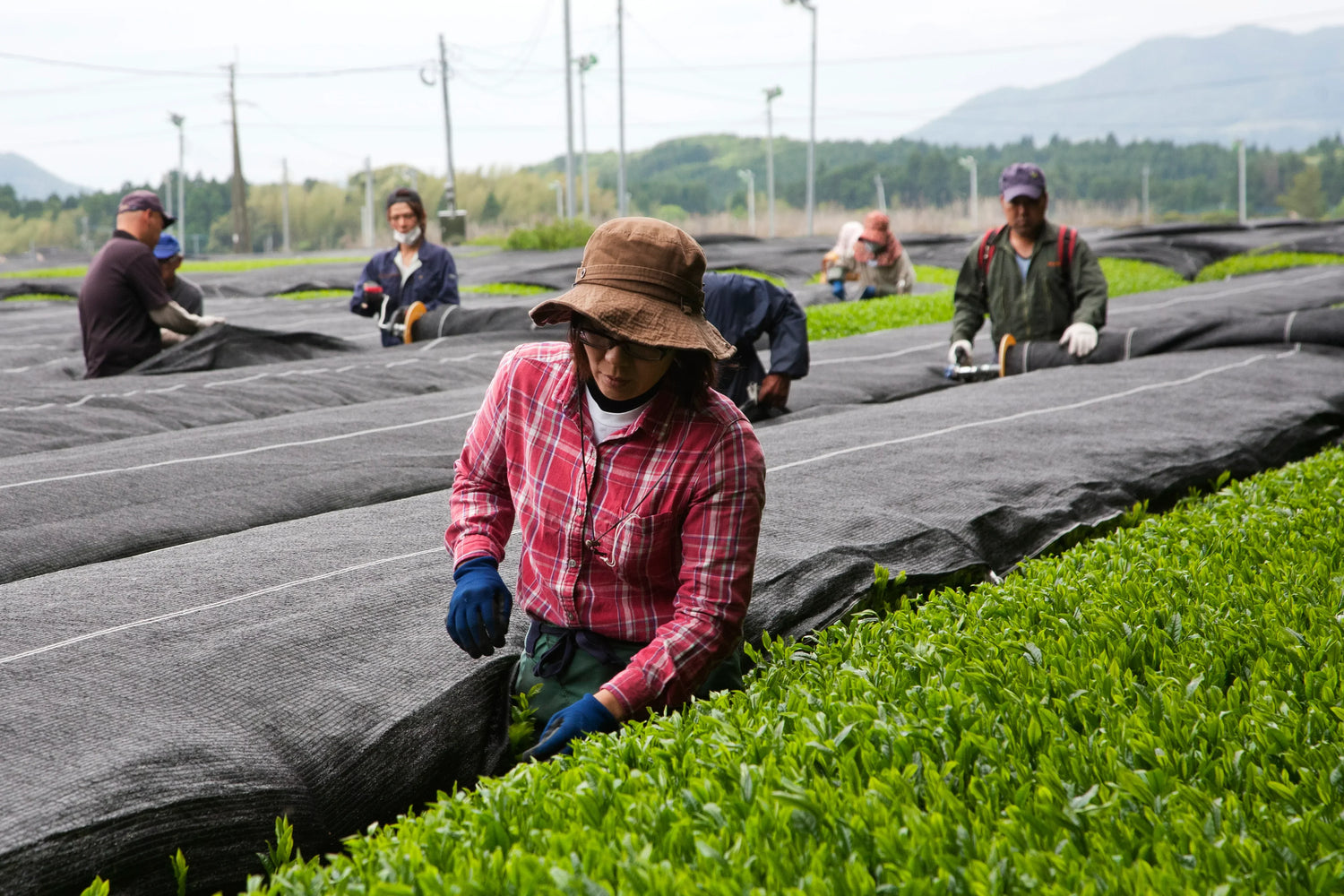
While traditional Uji producers adhere to centuries-old methods, Kagoshima is known for its willingness to innovate. Growers actively experiment with shading techniques, blending ratios, and harvesting times. They are not bound by an image they must uphold. They are simply looking for the best taste.
As a result, Kagoshima is now the second-largest tea region in Japan. In the international market, it is the fastest-growing region. Among specialists, it is no longer a secret that exceptionally good matcha comes from here.
How does Kagoshima matcha taste?
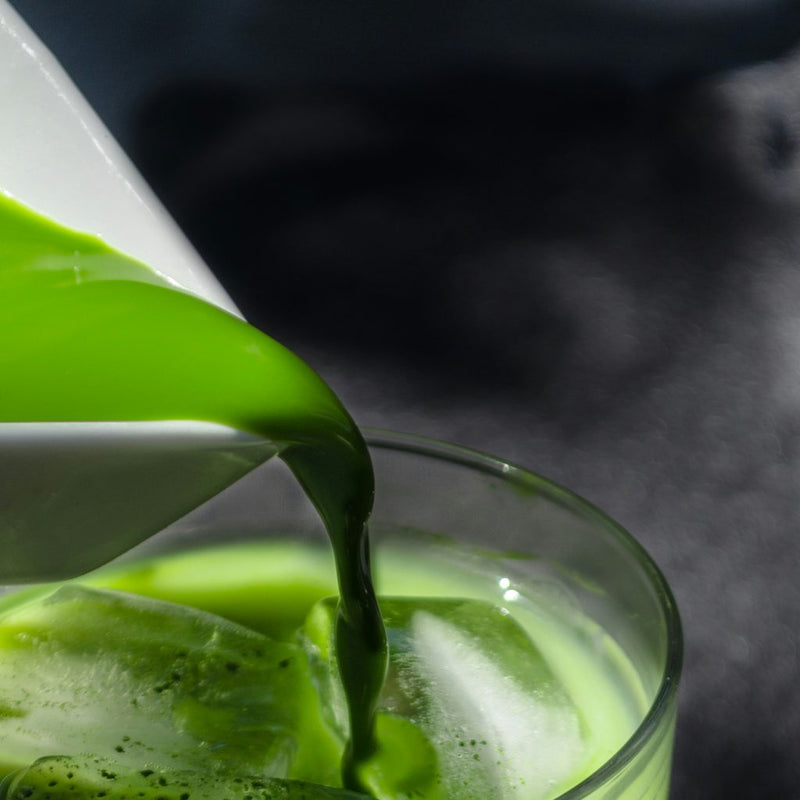
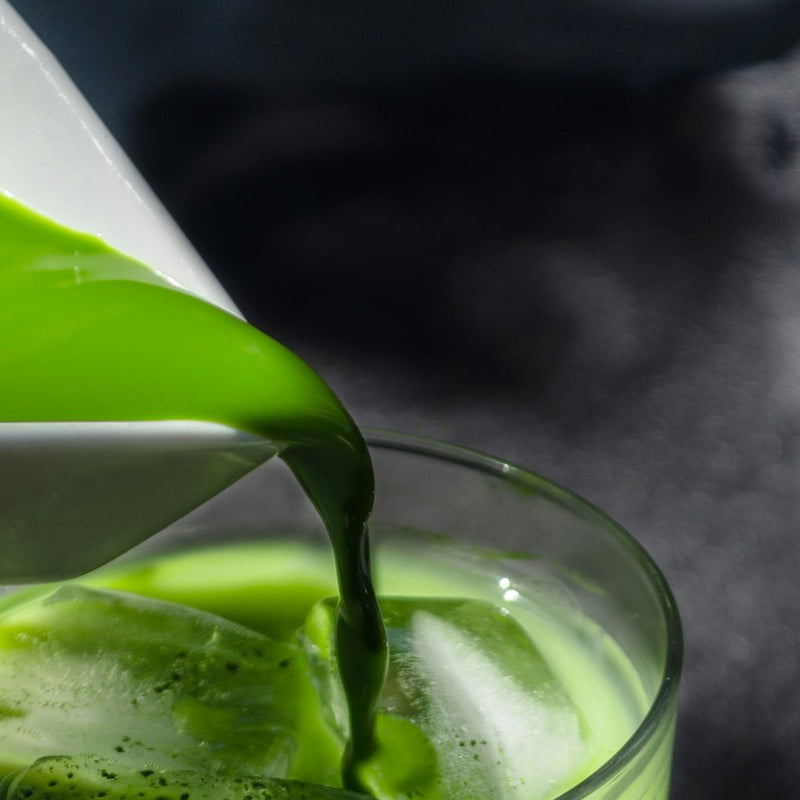
Kagoshima matcha is bright, fresh, and remarkably mild in taste. The color is vibrant green, the texture creamy. The umami is present but never overpowering, and the bitterness is low. The finish is clean and balanced. This makes this matcha suitable for both a purely brewed traditional matcha and a modern preparation with plant-based milk.
Kagoshima vs Uji: The main differences
Both regions produce excellent matcha. The differences are in the details, but these details are indeed noticeable:
-
Taste: Uji is more complex and layered, with a pronounced umami and some bitterness. Kagoshima is milder, sweeter, and creamier in character.
-
Soil: Uji benefits from river clay and morning mist. Kagoshima has volcanic ash soils, rich in minerals.
-
Production: Uji operates on a smaller, more artisanal scale. Kagoshima combines scale with precision and an open attitude towards innovation.
-
Availability: Uji matcha is scarce in the export market. Kagoshima actively invests in quality supply to foreign countries.
-
Name recognition: Uji carries centuries of prestige. Kagoshima is rapidly gaining ground among connoisseurs and specialists.
Why Unmatched chooses Kagoshima
We do not offer a nostalgic product. We offer the best product.
Our matcha from Kagoshima is selected based on three criteria: taste, quality, and consistency. The volcanic soil, combined with careful shading of the tea plants in the weeks before harvest, results in an exceptionally high L-theanine content. This directly translates into a mild, full flavor and the stable, balanced energy associated with Unmatched.
Kagoshima is not a compromise on Uji. It is a different choice, and a conscious one. Made by those who approach matcha as a daily ritual for focus and performance, not as a status symbol.
How to recognize premium ceremonial grade matcha?
Whether you choose Kagoshima or Uji, there are a few things that always apply to good quality matcha. First, the color: an intense, vibrant green is a sign of freshness and careful processing. Yellow-green or olive color indicates oxidation or lower quality leaves.
Furthermore, texture is important. Well-ground matcha feels silky smooth. Coarse or grainy powder indicates that the tea stone worked less precisely. As for scent: good matcha smells fresh, slightly sweet, and grassy. No musty or hay-like odor.
And then the taste itself. Umami first, minimal bitterness, and a creamy finish. Finally: always pay attention to the origin. Japan is the starting point, but a good brand also states the specific region. 'Japan origin' without further details says little about what is actually in the tin.
Frequently Asked Questions
Is Kagoshima matcha better than Uji matcha?
Not better or worse, but different. Uji offers historical prestige and a complex, layered flavor. Kagoshima offers volcanic minerality, a milder flavor profile, and more reliable availability for the international market. For daily use as a performance ritual, Kagoshima is an excellent choice.
Which matcha is best for beginners?
Kagoshima is a good starting point. The lower bitterness and creamy sweetness make it more accessible for those not yet accustomed to Uji's intensity. You immediately experience the quality of ceremonial grade matcha, without overwhelming the palate.
Why is Kagoshima less known than Uji?
Uji has built up more than seven centuries of name recognition, partly due to its role in the traditional Japanese tea ceremony and its proximity to Kyoto as a cultural center. Kagoshima has only recently actively focused on the international export market. Among specialists, the region has long ceased to be a secret, but for the general consumer, the name is still relatively unknown.
How do I best store my matcha?
Always store matcha airtight, dark, and cool. Preferably in the refrigerator. Matcha oxidizes quickly upon contact with light, air, and moisture. After opening, it is best to consume the contents within eight weeks for the best taste and nutritional value.
Conclusion
Uji and Kagoshima are two faces of Japanese matcha culture. Uji is the past: honorable, refined, and undeniably historical. Kagoshima is the present: innovative, consistent, and the silent champion for those who take matcha seriously.
At Unmatched Matcha, we exclusively supply ceremonial grade matcha from Kagoshima, carefully selected for taste, quality, and consistency. Because a daily ritual deserves the best raw material. Not just once, but every day.
Discover our Kagoshima matcha via unmatched-matcha.com/matcha-kopen