Iced matcha latte with different types of milk: which one do you choose
12-08-2026 · 5 min read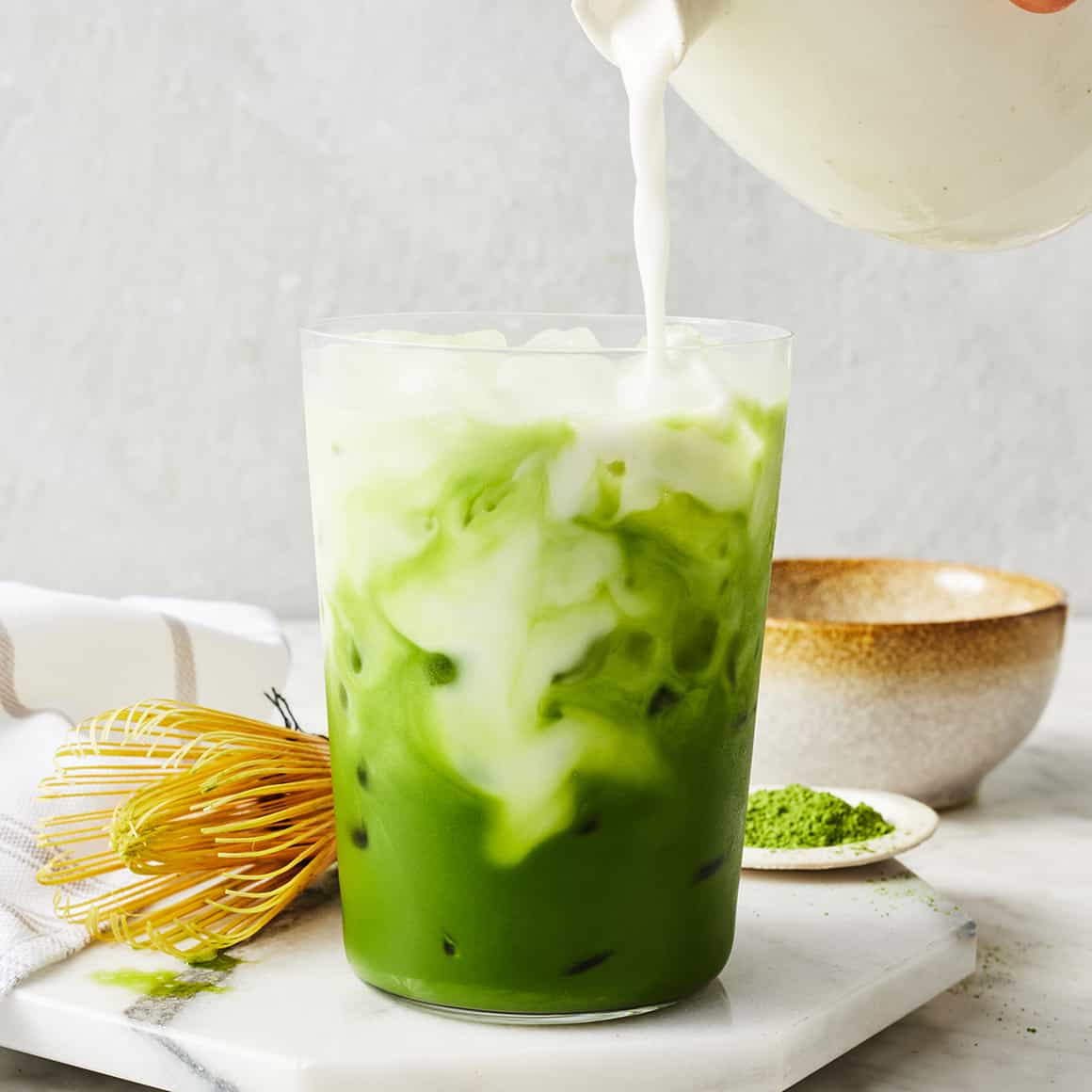
Reading time: 6 minutes - Last updated: August 2026
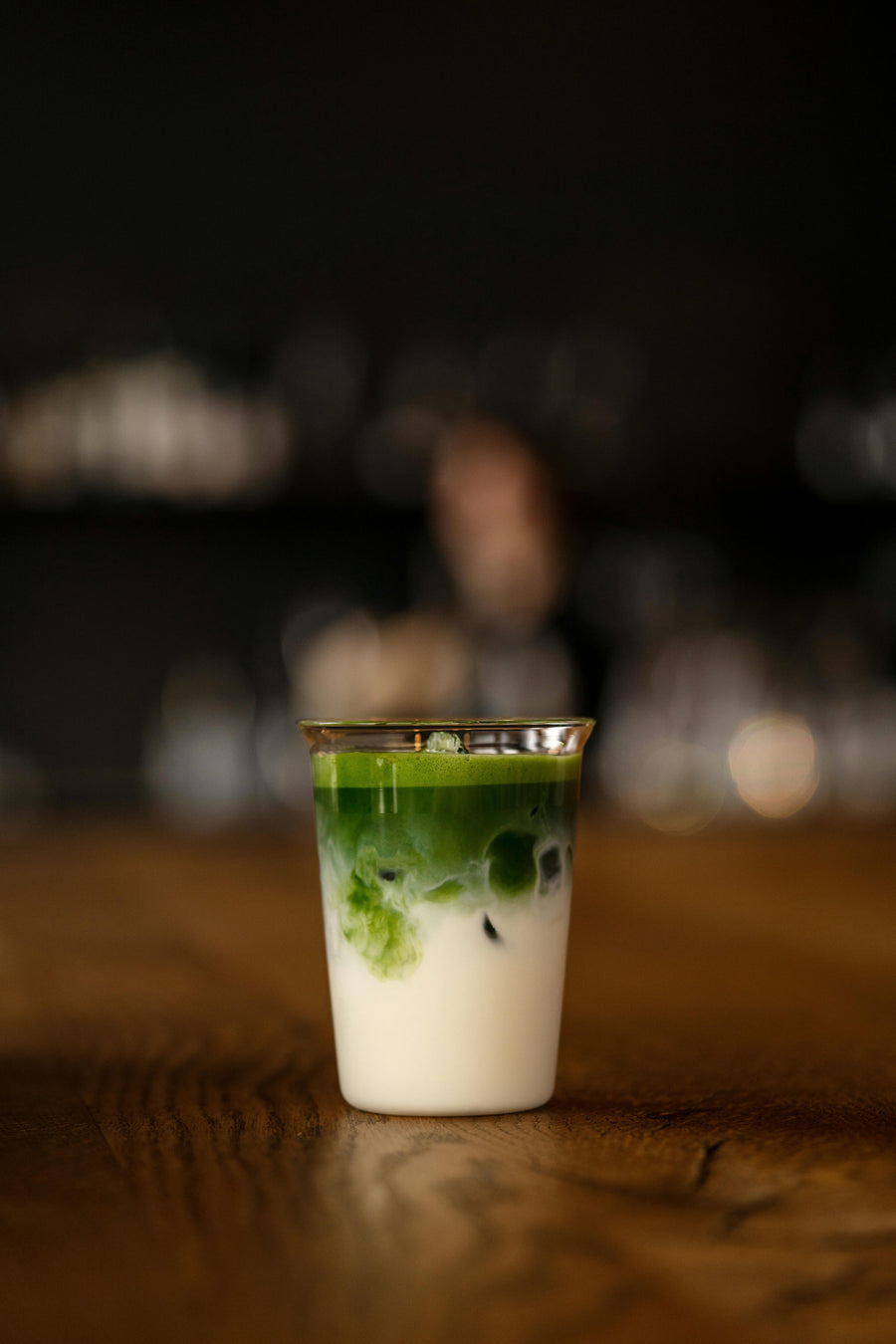
The milk you choose determines almost as much about your iced matcha latte as the matcha itself. Oat milk is the most popular choice due to its creamy texture and light sweetness, coconut milk adds an exotic, creamy twist, almond milk is light and nutty, soy milk is neutral and protein-rich, and whole cow's milk remains the classic, creamiest base.
Need to get the right matcha first? Start with the 30-gram introductory pack of ceremonial matcha from Kagoshima. Free shipping on orders over €50.
Why the choice of milk matters so much
Fats and proteins in milk carry the flavor of matcha and determine how creamy and stable the foam becomes. Each type of milk brings out a slightly different flavor profile.
Matcha has an inherently umami-rich, slightly grassy flavor. The milk you add can soften, complement, or let that flavor shine, depending on the fat and protein content. Fat carries aromas, while proteins provide a stable, creamy foam. This is why the exact same matcha tastes and feels completely different with coconut milk than it does with almond milk.
Oat milk: the most popular choice
Oat milk has a creamy texture that is close to cow's milk, with a light, natural sweetness that complements matcha well without overpowering it.
Oat milk is the most commonly used milk for matcha lattes, and for good reason. Its creamy texture is close to that of cow's milk, with a mild, natural sweetness that complements the umami of matcha instead of drowning it out. Moreover, oat milk froths well, making it a favorite in specialty cafes. When buying, look for an unsweetened barista version, as it is less likely to curdle upon contact with matcha. Read the full reason in matcha with oat milk: why this is the best combination.
Coconut milk: creamy and exotic
Coconut milk brings a natural sweetness and creaminess that pairs surprisingly well with the earthy, umami-rich notes of matcha.
Coconut milk gives your iced matcha latte a tropical twist. Its natural sweetness and thick, creamy texture go well with the earthy undertones of ceremonial matcha, and you often need little to no extra sweetener. Use coconut milk from a carton (drinking coconut milk) for the latte itself, as it is thinner and more drinkable than the thick canned coconut milk intended for cooking. For a creamy, whipped coconut milk foam layer, check out the recipe for coconut matcha cloud.
Almond milk: light and nutty
Almond milk has the lightest texture of the plant-based options, with a subtle nutty flavor. Ideal if you want a less creamy, fresher latte.
Almond milk is thinner and lighter than oat or coconut milk, with a soft, nutty undertone. It makes for a lighter, fresher iced matcha latte, which some people prefer over the creamier variants. Almond milk is less stable at higher temperatures, but since an iced latte remains cold, that is not an issue here. Combine almond milk with slightly less ice if you notice the flavor dilutes quickly.
Soy milk: neutral and protein-rich
Of the plant-based milks, soy milk has the highest protein content, which provides a stable foam and a neutral taste that lets the matcha take center stage.
Soy milk is a good choice if you prefer not to have the milk steal the show. Its neutral flavor allows the matcha to shine through, while its higher protein content, comparable to cow's milk, ensures a stable and creamy foam. Choose an unsweetened variety specifically made for coffee and tea to prevent curdling.
Whole cow's milk: the classic, creamy base
Whole cow's milk with approximately 3.5% fat provides the creamiest, classic iced matcha latte, with a natural sweetness provided by lactose.
For those who do not mind dairy, whole cow's milk remains an excellent, classic choice. The fat content of approximately 3.5% optimally carries the flavor of the matcha, and the natural lactose provides a light, natural sweetness without the need for syrup. Semi-skimmed milk provides a lighter version with slightly less body, while skimmed milk is primarily suitable if you are consciously watching your calories. You can read more about calories per type of milk in how many calories are in an iced matcha latte.
Comparison at a glance
Oat milk wins on foam and balance, coconut milk on creaminess and sweetness, almond milk on lightness, soy milk on neutrality, and whole cow's milk on classic creaminess.
|
Milk type |
Flavor profile |
Texture |
Best for |
|
Oat milk |
Creamy, slightly sweet |
Full, froths well |
The most balanced choice |
|
Coconut milk |
Sweet, tropical |
Thick, creamy |
Those wanting a sweeter, exotic latte |
|
Almond milk |
Light, nutty |
Thin, fresh |
A lighter, fresher latte |
|
Soy milk |
Neutral |
Creamy, stable foam |
Those who want to taste the matcha itself |
|
Whole cow's milk |
Creamy, slightly sweet |
Full, classic |
The classic, creamiest choice |
How to get the best results, regardless of your milk choice
Always whisk the matcha first with a little bit of water until you have a smooth paste before adding the cold milk, regardless of which milk you choose.
Whichever milk you choose, the basic rule remains the same: whisk 1.5 to 2 grams of ceremonial matcha with a little bit of water at 70 to 80 degrees until you have a smooth paste before adding ice and cold milk. This prevents clumps without diluting the matcha before you begin. The full explanation can be found in making iced matcha: 3 methods for the summer and the basic recipe in how to make an iced matcha latte.
Need more inspiration? Check out the most popular matcha recipes for the summer for complete recipes using each of these milk types.
Frequently Asked Questions
Which milk is best for an iced matcha latte?
There is no single best answer; it depends on your preference. Oat milk is the most balanced and popular choice, coconut milk for a sweeter, creamier latte, almond milk for something lighter, and whole cow's milk for the classic, creamiest version.
Which plant-based milk froths the best with matcha?
Oat milk and soy milk froth the best due to their protein content and stability. Almond milk froths lighter and less stably, but that is less relevant for an iced latte than for a hot one.
Can I use regular cow's milk for an iced matcha latte?
Yes, whole cow's milk with approximately 3.5% fat provides a classic, creamy iced matcha latte with natural sweetness from the lactose.
Which milk best pairs with the taste of ceremonial matcha?
Oat milk and soy milk best bring out the umami flavor of ceremonial matcha without overpowering it. Coconut milk, on the other hand, adds an extra sweet, tropical layer.
There is no single "correct" milk for an iced matcha latte, only the milk that best suits your taste. Feel free to experiment with oat milk, coconut milk, almond milk, soy milk, or whole cow's milk; the foundation of good ceremonial matcha from Kagoshima remains the same in every variant.
Start today: order the 30-gram introductory pack of ceremonial matcha from Kagoshima. Free shipping on orders over €50, delivered tomorrow.