From coffee to matcha: My week-long experiment
17-04-2026 · 11 min read
From coffee to matcha: My week-long experiment
Reading time: ±8 minutes | Last updated: April 2026
Switching from coffee to matcha is an experiment that more and more Dutch people are undertaking. On average, a Dutch person drinks 3.2 cups of coffee per day (Koffie en Thee Nederland, 2023), which amounts to approximately 300 mg of caffeine. Matcha offers an alternative that provides energy without the peaks and valleys of coffee, thanks to the combination of caffeine and L-theanine. But how does that switch actually feel in practice?
In this article, I share my honest experience: seven days without coffee, only matcha. No sugarcoating, no sales pitch. Just writing down what happened day by day with my energy, focus, sleep, and mood. Spoiler: it wasn't easy every day.
Why I wanted to switch from coffee to matcha
Quick answer: The main reasons to switch from coffee to matcha are: less of a caffeine crash, more stable energy, better sleep quality, and a reduced feeling of dependency.
For years, I was a convinced coffee drinker. Three cups a day, sometimes four. Every morning began with that familiar ritual: grinding beans, brewing, that first sip of warmth. But honestly? In the last few months, I increasingly noticed the downside.
The first cup gave me a 45-minute boost, followed by a dip where I was already reaching for the next cup. By 3:00 PM, I felt exhausted, but if I drank coffee then, I would lie awake for too long at night. It was a cycle I couldn't escape.
When I read about the effect of caffeine in matcha and how L-theanine slows its absorption, I was curious enough to try it for a week.
The rules of the experiment
Quick answer: Seven days of no coffee, no energy drinks, no cola. Only matcha as a source of caffeine, with a maximum of 3 cups per day.
To keep it fair, I set a few rules:
No coffee, no energy drinks, no cola. Matcha was the only source of caffeine. Herbal tea and water were allowed.
Maximum 3 cups of matcha per day. This provides approximately 130 to 190 mg of caffeine, less than my usual coffee intake of approximately 300 mg.
Ceremonial grade matcha. I used Unmatched Matcha from Kagoshima because I knew poor-quality matcha would sabotage the experiment. Quality matters.
Write down briefly every evening how the day felt: energy (1 to 10), focus (1 to 10), sleep quality, and any details.
The diary: day by day
Quick answer: The first two days were the most difficult due to slight caffeine withdrawal. From day 3, things turned around. By day 7, my energy felt more stable, my focus sharper, and my sleep deeper than during my coffee period.
Day 1 (Monday): The headache
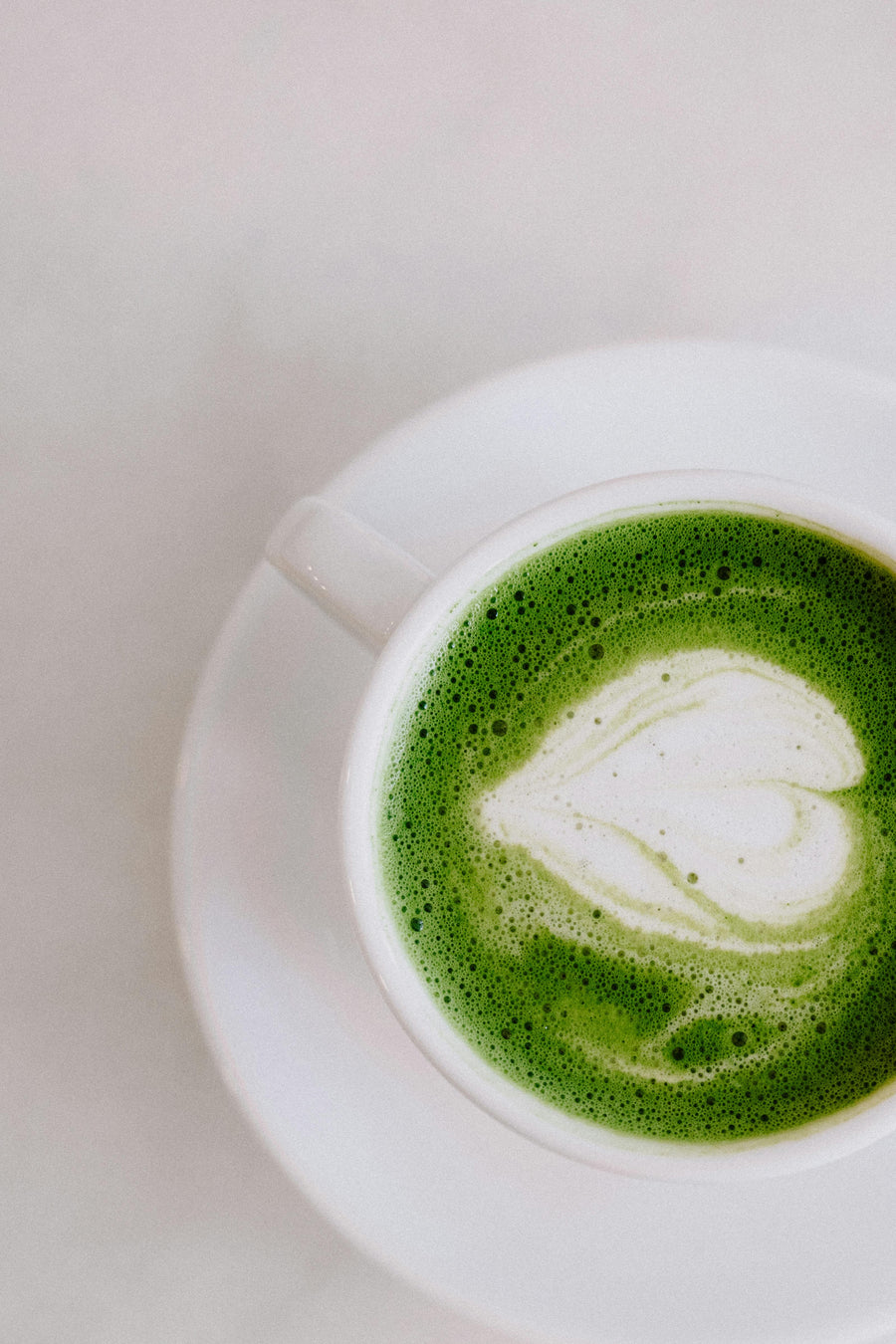
First morning without coffee. I made a matcha latte with oat milk and drank it around 8:00 AM. The taste was good, milder than I expected. The energy came on slower than with coffee, no instant "kick" but a gradual clarity that started after 20 minutes.
Around 2:00 PM, the headache kicked in. This is a well-known symptom of caffeine withdrawal and has nothing to do with matcha, but with the fact that I was consuming less caffeine than usual. I drank a second matcha and the headache became bearable, but it didn't disappear entirely.
Energy: 5/10 | Focus: 6/10 | Sleep: better than expected, fell asleep faster than normal.
Day 2 (Tuesday): Still getting used to it
The headache was still there in the morning, but less severe. After my first matcha at 8:00 AM, I felt a calm alertness that I didn't know from coffee. Not that sharp peak, but more like someone slowly turning on the lights in my head.
I noticed that I felt less of a need for a second cup than with coffee. With coffee, I automatically reached for a second cup at 10:30 AM. With matcha, I didn't feel that urge until around 12:00 PM. The energy lasted longer.
Energy: 6/10 | Focus: 7/10 | Sleep: fell asleep faster again, felt deeper upon waking up.
Day 3 (Wednesday): The turning point
This was the day it clicked. No more headaches. The morning matcha gave me 4 to 5 hours of stable focus without me reaching for a second cup. I worked through an entire morning on a project that would normally require three coffees.
Most remarkably: I didn't have an afternoon dip. Normally, my energy dropped to a low point around 3:00 PM. Today, that dip didn't happen. I drank a light matcha latte around 2:00 PM and felt productive until 6:00 PM.
Energy: 7/10 | Focus: 8/10 | Sleep: best night of the week so far.
Day 4 (Thursday): The ritual starts to work
I began to appreciate the matcha ritual. The sifting, whisking, taking a moment. With coffee, I pressed a button and scrolled through my phone in the meantime. With matcha, you are actively busy for 2 minutes with the preparation, and that moment of attention turned out to be a surprisingly pleasant start to the day.
In terms of energy and focus, it remained stable. I noticed I was calmer in meetings, less hurried. Whether that was due to the matcha or the better sleep (or both), I cannot say with certainty.
Energy: 7/10 | Focus: 8/10 | Sleep: consistently good.
Day 5 (Friday): The craving that came and went
Friday afternoon, after a busy work week. My brain screamed for an espresso. It wasn't a physical need, it was habit. The smell of coffee at a bakery made me doubt for a moment.
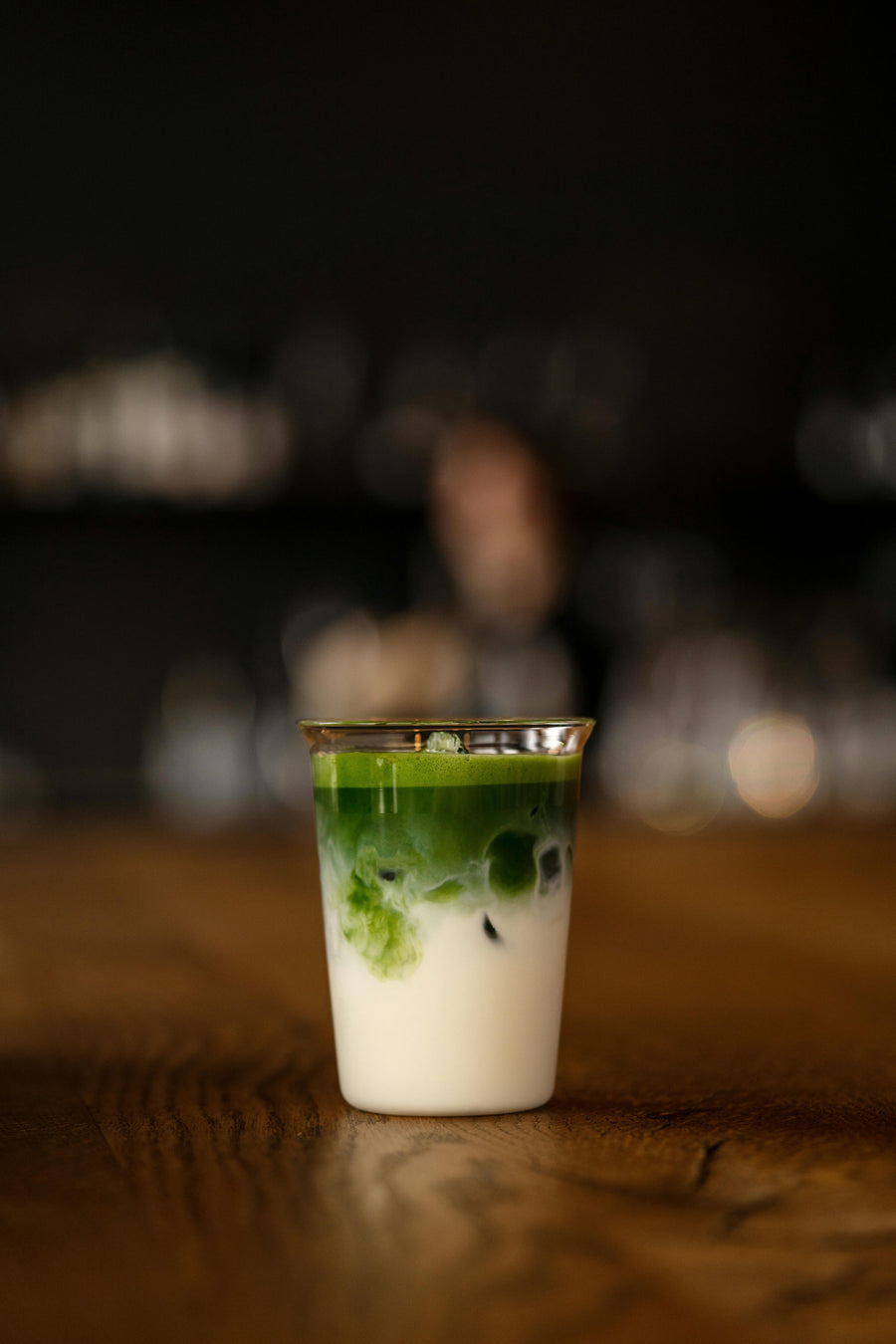
At home, I made an iced matcha latte (cold, with oat milk and ice cubes) and the craving disappeared within ten minutes. The cold, creamy matcha felt like a reward. I realized that the coffee craving was largely mental, not physical.
Energy: 7/10 | Focus: 7/10 | Sleep: stayed up later Friday night, but still slept well.
Day 6 (Saturday): The relaxing day
Weekend. Normally I would brew two cups of coffee immediately after getting up. Today, I quietly made a matcha, sat on the balcony, and read for half an hour. No rush, no need for more.
What stood out to me: I felt less irritable than on an average Saturday morning. The weekend morning with coffee was always a bit rushed, as if the caffeine forced me to go do something. With matcha, I felt alert but calm. Ready to do something, but not forced.
Energy: 8/10 | Focus: 8/10 | Sleep: deepest night of the whole week.
Day 7 (Sunday): The decision
Last day of the experiment. I made a matcha espresso shot (pure, 2 grams in 40 ml of water) and went for a walk. The clarity was there instantly, subtle but unmistakable. After the walk, I made a matcha latte as a reward.
The honest answer to the question "am I going back to coffee?": not as a daily drink. I don't rule out drinking an occasional cup of coffee when I'm somewhere where there is no matcha, or if I just feel like it. But as a daily ritual? Matcha wins. The stable energy, the better sleep, and the sense of calm make the difference.
Energy: 8/10 | Focus: 9/10 | Sleep: excellent.
The results summarized
Quick answer: After 7 days of matcha: higher average energy, better focus, noticeably improved sleep, and no more afternoon dips. The first 2 days were the hardest due to caffeine withdrawal.
|
Day |
Energy |
Focus |
Sleep |
Note |
|
1 |
5/10 |
6/10 |
Better than expected |
Headache (caffeine withdrawal) |
|
2 |
6/10 |
7/10 |
Fell asleep faster |
Less need for a 2nd cup |
|
3 |
7/10 |
8/10 |
Good |
Turning point, no afternoon dip |
|
4 |
7/10 |
8/10 |
Consistently good |
Ritual starts to work |
|
5 |
7/10 |
7/10 |
Good |
Coffee craving, quickly passed |
|
6 |
8/10 |
8/10 |
Deep |
Calm and clear, less irritable |
|
7 |
8/10 |
9/10 |
Excellent |
Decision: matcha as a daily ritual |
The average energy score rose from 5/10 on day 1 to 8/10 on day 7. The focus score went from 6 to 9. But the biggest difference was the sleep quality: from day 3 onwards, I slept noticeably deeper and woke up feeling fresher.
7 tips if you want to switch from coffee to matcha
Quick answer: Gradually phase out coffee, choose ceremonial grade, expect 2 to 3 difficult days, and give yourself a full week before you judge.
1. Gradually phase out coffee. If you drink 3+ cups of coffee a day, don't go cold turkey. Replace 1 cup with matcha first, the second after 2 days, and so on. That reduces the headache.
2. Choose ceremonial matcha. Poor-quality matcha tastes bitter and makes the switch unnecessarily difficult. With ceremonial grade from Japan, you get a soft, creamy taste that makes you not miss coffee at all.
3. Expect 2 to 3 difficult days. Headaches, fatigue, and irritability are normal with caffeine withdrawal. It will pass. Drink enough water and, if necessary, take a paracetamol.
4. Make it a ritual. Sifting, whisking, and taking a moment with your matcha replaces the coffee ritual. That helps mentally with the transition.
5. Drink your first matcha before 9:00 AM. That gives your body the whole day to process the caffeine and won't disrupt your sleep.
6. Experiment with preparations. A hot latte, an iced version, a pure shot: variety keeps it interesting.
**7. Give it at least 7 days.** Do not judge after day 1 or 2. The real change began for me on day 3. Also read when to drink matcha for the best effect for optimal timing.
The science behind the switch
Quick answer: The difference between coffee and matcha lies in the L-theanine: this amino acid slows caffeine absorption and stimulates alpha waves in the brain, which provides calm focus instead of nervous energy.
My experience is personal, but science supports the patterns I described. Coffee contains about 95 mg of caffeine per cup which peaks in your blood within 30 to 45 minutes. That rapid peak activates the stress hormone cortisol, which explains the "jittery" energy that many coffee drinkers recognize (Lovallo et al., Psychosomatic Medicine, 2005).
Matcha contains about 64 mg of caffeine per serving, bound to L-theanine. This amino acid slows the absorption of caffeine and simultaneously stimulates alpha waves in the brain (Nobre et al., Asia Pacific Journal of Clinical Nutrition, 2008). The result is a state of "calm alertness" that arises more gradually and lasts longer, without the sharp peak and crash.
More about the health benefits? Read 7 proven health benefits of matcha.
Frequently asked questions about switching from coffee to matcha
What happens if you replace coffee with matcha?
For the first 2 to 3 days, you may experience mild withdrawal symptoms (headache, fatigue) due to the lower caffeine intake. From day 3 to 4, you generally notice more stable energy, better focus, fewer afternoon dips, and improved sleep quality. The L-theanine in matcha provides a calm alertness that differs from the nervous boost of coffee.
How long does it take to get used to matcha instead of coffee?
Most people need 3 to 5 days to adjust. The first few days are the most difficult due to caffeine withdrawal. Things usually turn around from day 3. After a full week, most people who switch feel better than they did with coffee. Gradually phasing it out (first replacing 1 cup) makes the transition easier.
Do you get withdrawal symptoms if you switch from coffee to matcha?
Yes, that is possible. The most common symptoms are headaches, mild fatigue, and irritability. This is because matcha contains less caffeine than coffee (approx. 64 mg vs. 95 mg per serving). The symptoms last on average 1 to 3 days and are less severe if you taper off gradually.
Is matcha a good alternative to coffee?
Yes. Matcha offers similar benefits (energy, focus) with fewer downsides (no crash, less sleep disruption, less teeth staining). In addition, matcha contains significantly more antioxidants than coffee. It is not a 1-to-1 replacement for everyone, but many who switch report a more stable energy curve and better sleep quality.
How much matcha do you need to replace coffee?
2 to 3 cups of matcha per day (4 to 6 grams of powder) provide approximately 130 to 190 mg of caffeine, enough for most people. That is less than the average coffee intake, but because of the L-theanine, the effect feels longer-lasting and more stable. Start with 2 cups and adjust based on how you feel.
The honest answer
Is matcha better than coffee? That depends on what you are looking for. If you want the quick kick, the aroma of freshly ground beans, and the social ritual of an espresso at the bar, coffee is hard to replace. Coffee is fantastic in its own way.
But if you notice that coffee makes you restless, disrupts your sleep, or causes your energy to yo-yo throughout the day, then matcha is more than worth trying. Not as a temporary experiment, but as a new habit. Give it seven days. Write down how you feel. And only then pass judgment.
Ready to try it yourself? At Unmatched Matcha, you can order ceremonial matcha from Kagoshima that is specially suited for coffee switchers: smooth, without bitterness, and with a full flavor that ensures you won't miss your coffee. Never made matcha before? Then start with our step-by-step preparation guide.