What is the best matcha powder? The complete buying guide
06-05-2026 · 6 min read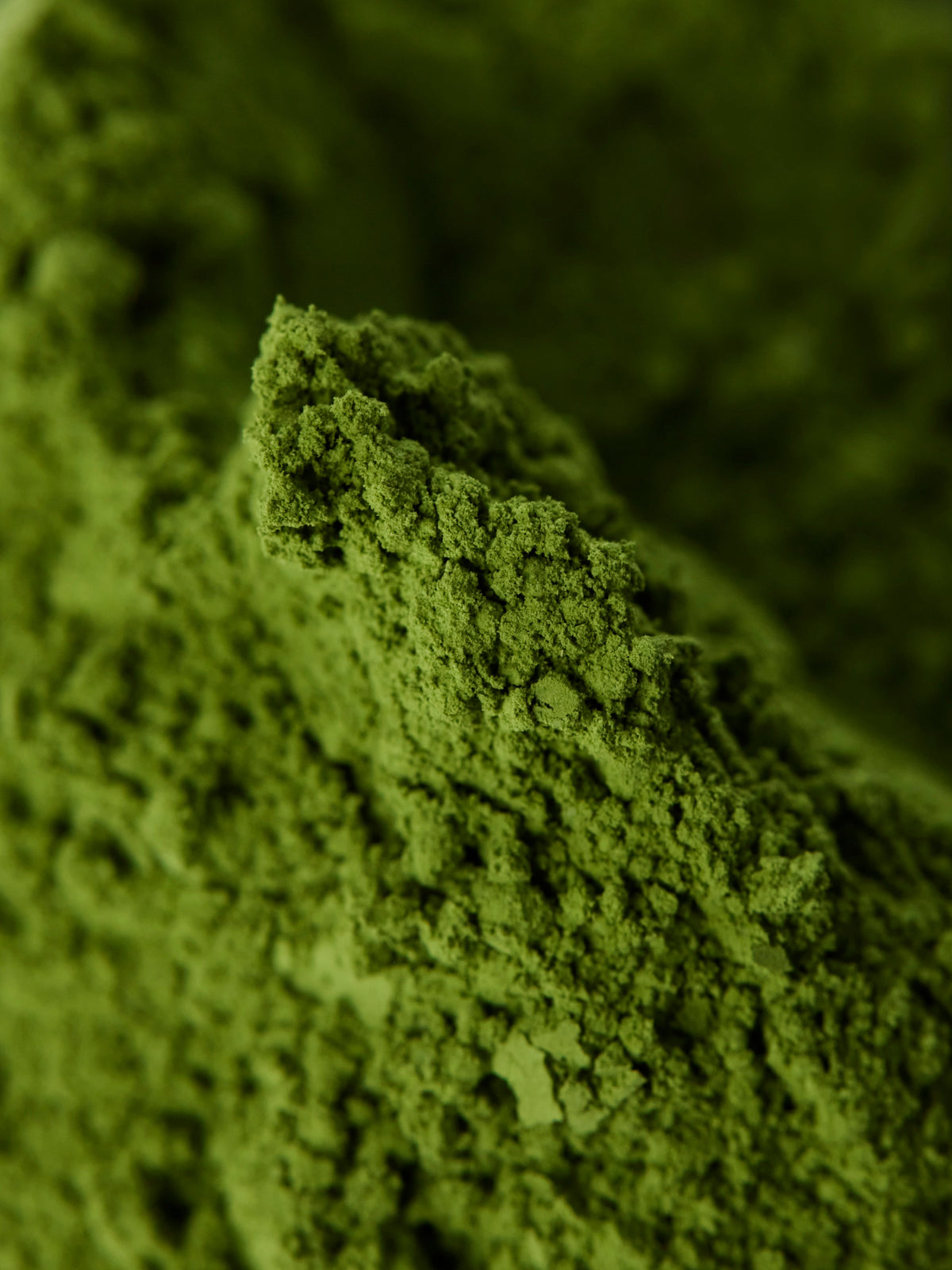
What is the best matcha powder?
Reading time: approx. 8 minutes | Last updated: July 2026
The best matcha powder can be identified by six verifiable characteristics: a vibrant green color, Japanese origin with a specified region, first harvest (ichibancha), a stone-ground silky texture, an umami-rich flavor without bitterness, and a realistic price that reflects the labor-intensive process. Good matcha is almost never cheap, and the term "ceremonial" on the label is no guarantee as it is not a protected term. In this guide, you will learn exactly what to look for so you never buy bitter, disappointing matcha again.
Looking for the highest quality right away? Order the 30-gram ceremonial matcha from Unmatched Matcha: first harvest from Kagoshima, Japan. Free shipping on orders over €50.
Matcha is one of those products where quality differences are enormous, but where most people never learn to tell the difference because they start with the cheapest tin. What they taste is bitter and grassy, and they write off matcha entirely. That’s a shame, because true quality matcha tastes mild, slightly sweet, and umami-rich. Below are the six characteristics by which you can recognize the best matcha powder.
The 6 Characteristics of the Best Matcha Powder
Quick answer: You can recognize good matcha by its color (vibrant green), origin (Japan, region specified), harvest (first harvest), texture (silky, stone-ground), flavor (umami, no bitterness), and price (at least €15 per 30 grams). These six factors together tell you whether matcha is worth it, even before you trust the label.
|
Characteristic |
Good matcha |
Bad matcha |
|
Color |
Vibrant green, emerald, almost neon |
Dull, yellow, olive, or brownish |
|
Origin |
Japan, region specified (Kagoshima, Uji) |
Vague "Japanese" or China |
|
Harvest |
First harvest (ichibancha) |
Later harvest or not specified |
|
Texture |
Silky, like powdered sugar |
Coarse, grainy |
|
Flavor |
Umami, slightly sweet, no bitterness |
Bitter, sharp, grassy |
|
Price / 30g |
At least €15, usually €25+ |
Under €10 |
1. Color: vibrant green is the quickest signal
High-quality matcha is a vibrant emerald green, almost neon. This is due to the high chlorophyll content that occurs when the tea plants are shade-grown for weeks before the harvest. Dull, yellow, or brownish matcha points to a later harvest, lower quality, or old, oxidized powder. The color is the fastest and most reliable signal.
2. Origin: Japan, with a specific region
The best matcha comes from Japan. The most well-known regions are Kagoshima and Uji. A reliable seller will always name the specific region, rather than making a vague "Japanese matcha" claim. Matcha of Chinese origin sold as Japanese is a red flag. Read our comparison of Kagoshima versus Uji matcha.
3. Harvest: first harvest makes the difference
The best matcha comes from the first harvest (ichibancha) in the spring, when the leaves contain the amino acids stored over the winter. This provides the soft umami and high L-theanine. Later harvests are more bitter. Read why first harvest makes such a difference.
4. Texture: silky like powdered sugar
Good matcha feels silky, almost like powdered sugar or baby powder. This is because the youngest leaves are slowly ground between granite stones into an ultra-fine powder of 5 to 10 microns. Does it feel coarse or grainy? Then older, tougher leaves were used, or it was machine-ground coarsely.
5. Flavor: umami without bitterness
True quality matcha tastes mild, slightly sweet, and umami-rich. If your matcha tastes bitter at the correct water temperature (70 to 80 degrees, never boiling), it is because of the matcha itself, not your preparation. More on this in our article on why matcha tastes bitter and how to fix it.
6. Price: quality has a reason
Ceremonial matcha is labor-intensive: hand-picked, deveined, and stone-ground (a granite mill grinds 30 to 40 grams per hour). A price under €10 per 30 grams is therefore virtually impossible for true quality. Expect to pay at least €15, usually €25 or more. Too cheap almost always means a lower grade.
Note: 'Ceremonial' is no Guarantee
Quick answer: The term "ceremonial" is not legally protected in Europe. Anyone can put it on the packaging, even for low-quality products. Therefore, rely on the six verifiable characteristics, not the label.
"Ceremonial" is the most misused word in the matcha world. It is often found on products that were never intended to be drunk pure. Because the term is not protected, it means nothing on its own. Use the six characteristics above as your true checklist. Want to understand the underlying quality difference? Read our article on ceremonial versus culinary matcha.
What Does Good Matcha Cost and What Do You Get?
Quick answer: Expect to pay €25 to €40 for 30 grams of ceremonial matcha. That may seem like a lot, but you only use 1 to 2 grams per cup, which comes down to €1.30 to €2 per cup. Less than a café latte, and of higher quality.
Good matcha feels expensive at checkout, but break it down per cup. A 30-gram package provides 15 to 30 cups. That is €1.30 to €2 per cup. A matcha latte in a café costs €5.50 to €6.50. At home, you can make the same or better latte with quality matcha for a fraction of the price. For daily drinkers, the 100-gram package is the most cost-effective per gram.
Unmatched Matcha: the Highest Quality from Kagoshima
We exclusively supply the highest quality ceremonial matcha: first harvest ichibancha from Kagoshima, Japan. Shade-grown, hand-picked, stone-ground, and airtight-packaged. Our matcha meets all six quality criteria from this guide: vibrant green, single-origin from Kagoshima, first harvest, ultra-fine ground, umami-rich without bitterness, and fairly priced for what it is.
We are honest about the price. Quality matcha of this grade is not a bulk product, especially with the global matcha shortage of 2026. But we make no compromises on origin, harvest, or grinding. That is exactly why our customers taste the difference compared to supermarket matcha.
New? Start with the 30-gram starter pack. A daily drinker? The 100-gram offers the best price per cup. Or browse our full collection. Free shipping on orders over €50.
Common Mistakes When Buying Matcha
-
Choosing based on price alone: cheap matcha is almost always bitter and disappointing
-
Relying on the word "ceremonial" without checking the six characteristics
-
Buying supermarket matcha: often of Chinese origin or old stock of a lower grade
-
Buying culinary grade for drinking pure: it is meant for baking and smoothies
-
Buying a large supply before knowing if you like a brand: start small with 30 grams
New to matcha and not sure where to start? Read our complete guide for beginners, or check what you need in our article on the complete matcha set.
Frequently Asked Questions about the Best Matcha
What is the best matcha powder?
The best matcha powder is ceremonial grade from the first harvest from a Japanese region like Kagoshima or Uji: vibrant green, silky ground, umami-rich without bitterness. You recognize it by the six characteristics of color, origin, harvest, texture, flavor, and price, not by the word "ceremonial" on the label.
How do you recognize good matcha?
By six things: vibrant green color, Japanese origin with a specified region, first harvest, silky texture, umami flavor without bitterness, and a realistic price of at least €15 per 30 grams. A dull color, vague origin, or price under €10 are red flags.
What does good matcha cost?
Ceremonial matcha costs €25 to €40 per 30 grams. Per cup, that is €1.30 to €2, less than a café latte. Under €10 per 30 grams, you almost never get true ceremonial quality.
Is more expensive matcha always better?
Not automatically, but good matcha is never very cheap. Price alone is no guarantee: use the six characteristics. A high price without a specified region, harvest, and vibrant green color is still not a good buy.
Is supermarket matcha good?
Rarely. Supermarket matcha is often of Chinese origin, lower grade, or old stock. The price is low because the quality is low. Buy from a specialty shop that can name the origin, region, and harvest.
The best matcha powder can be identified by six characteristics: vibrant green color, Japanese origin with a region, first harvest, silky texture, umami without bitterness, and a realistic price. The word "ceremonial" on the label is no guarantee. Want matcha that meets all six? Browse the Unmatched Matcha range: ceremonial quality from Kagoshima. Free shipping on orders over €50.