Single origin matcha: What it is and why it is better
20-05-2026 · 7 min read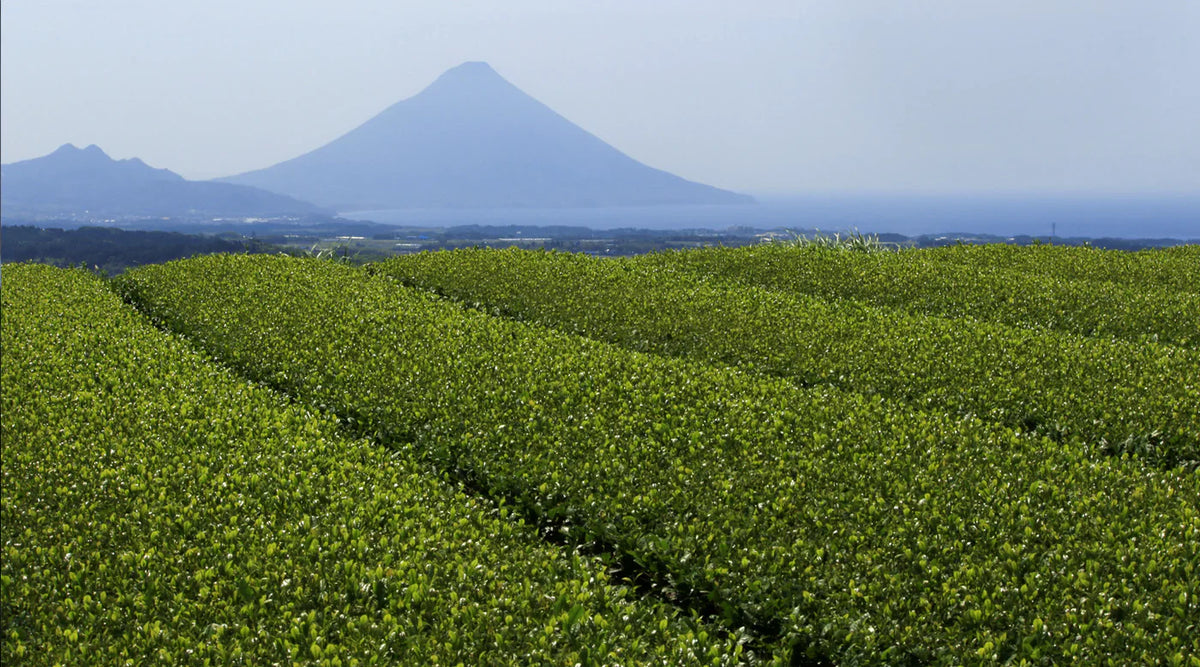
Single origin matcha: What it is and why it's better
Reading time: ±7 minutes | Last updated: May 2026
Single origin matcha is matcha that 100% originates from one specific Japanese production region and is traceable to the source. It is the opposite of a blend, where matcha from multiple regions, harvests, or even countries is mixed into a "consistent" end product. With single origin, you know exactly where your matcha comes from, which harvest it is from, and under what conditions it was grown.
Many Dutch people are familiar with the concept from specialty coffee: single origin Ethiopian coffee tastes different from Colombian, and both taste different from a supermarket blend. The same logic applies to matcha. And just like with coffee, single origin is the step up for those who want to choose consciously.
Single origin vs blend: the difference
Quick answer: Single origin comes from one region and is traceable. Blends mix matcha from multiple sources for a uniform taste at a lower cost. Single origin offers more transparency, a more unique flavor profile, and more consistent quality.
|
Single origin |
Blend |
|
|
Origin |
One specific region |
Multiple regions/countries |
|
Traceability |
Full (region, harvest, producer) |
Limited to none |
|
Flavor profile |
Unique per region |
Uniform, leveled |
|
Consistency |
High (same source every time) |
Variable (depends on mix) |
|
Transparency |
High (everything stated) |
Low (often just 'Japan') |
|
Quality control |
Per batch, traceable |
Average of the mix |
|
Price |
€25-40 per 30g |
€10-25 per 30g |
|
Comparable to |
Single origin specialty coffee |
Supermarket blend coffee |
The specialty coffee parallel
Quick answer: What single origin coffee did for the coffee market, single origin matcha is now doing for the tea market: transparency, traceability, and a unique flavor profile per origin region. The target group is the same: conscious consumers who want to know what they are drinking.
Ten years ago, the Netherlands drank masses of Douwe Egberts. Now every city has a specialty coffee bar with Ethiopian or Guatemalan single origin beans. That shift was not just a flavor revolution; it was a transparency revolution: people want to know where their product comes from, who grew it, and how it was processed.
Matcha is now at the same tipping point. Most matcha sold in the Netherlands is a blend without origin information. The label says "Japanese matcha" without a specific region, harvest, or producer. That is the equivalent of "coffee" on a bag without further information.
Single origin matcha breaks that pattern. It says: this comes from Kagoshima, from the first harvest, from these producers, with this flavor profile. It is the same transparency that has made specialty coffee so successful.
The full comparison of matcha vs coffee? Read matcha vs coffee: what is better for energy and focus.
Why single origin matcha tastes better
Quick answer: Every Japanese region has a unique flavor profile determined by soil, climate, and cultivation tradition. In blends, these profiles are mixed and leveled out. With single origin, you taste the terroir.
Terroir is a French word from the wine world referring to the influence of soil, climate, and environment on the end product. Just like wine and coffee, matcha has terroir. Matcha from Kagoshima (volcanic soil, subtropical climate) tastes different from matcha from Uji (clay soil, misty climate) or Nishio (sandy soil, temperate).
|
Region |
Soil/climate |
Flavor profile |
|
Kagoshima |
Volcanic, subtropical |
Soft, bright umami, minimal bitterness |
|
Uji (Kyoto) |
Clay/granite, misty |
Deep, complex, traditional |
|
Nishio (Aichi) |
Sand/clay, temperate |
Sweet, balanced, accessible |
|
Shizuoka |
Diverse, coastal |
Fresh, grassy, slightly bitter |
In a blend, these unique profiles are mixed into a uniform taste. That is not necessarily bad (blends can be consistent), but you lose the character of the individual region. Single origin preserves that character.
More about the regions? Read Buying Kagoshima matcha: why origin makes all the difference.
How do you recognize real single origin matcha?
Quick answer: Check three things: is the specific Japanese region on the packaging (not just 'Japan')? Is the harvest mentioned (first, second)? Does the seller provide information about the supply chain? Three yeses = probably single origin.
1. The region is on the packaging. Not "Japan" or "Japanese matcha" but Kagoshima, Uji, Nishio, or another specific region. If it only says "Japan," it is likely a blend.
2. The harvest is mentioned. Single origin matcha almost always mentions whether it is the first harvest (ichiban-cha) or a later harvest. No harvest information = less transparency.
3. The supply chain is transparent. A good single origin seller says something about how the matcha is selected, tested, and processed. Not just marketing terms like "premium" or "finest quality" but concrete information.
The 5 quality tests? Read recognizing matcha quality: 5 tests for home.
Unmatched Matcha: single origin from Kagoshima
Quick answer: Unmatched Matcha is 100% single origin ceremonial matcha from the Kagoshima region. First harvest, stone-ground, fully traceable. Tested for three-quarters of a year before the brand launched.
We consciously chose single origin from Kagoshima because the flavor profile of this region best fits what we are looking for: soft, bright umami without bitterness. The volcanic soil, subtropical climate, and clean air of Kagoshima produce matcha that we could not find in the same way anywhere else in Japan.
Before Unmatched Matcha launched, Dominique and Benck tested the matcha for three-quarters of a year in Dominique's shop. Every batch is traceable to the source. If it does not meet our standards, it does not bear the name Unmatched.
You can taste Unmatched Matcha at Vonckelend at Rokin 81 in Amsterdam. Or order online and receive it the next business day, anywhere in the Netherlands. In Amsterdam, Utrecht, Almere, Zaandam, Haarlem, Hoofddorp, Laren, Soest, Rotterdam, The Hague, Purmerend, Venlo, or Alphen aan den Rijn: free shipping from €50.
→ Order single origin Kagoshima matcha: at your home tomorrow
The future of matcha is single origin
Quick answer: Just as single origin coffee became the standard in specialty cafes, single origin matcha is becoming the standard for conscious consumers. The shift toward transparency, traceability, and quality is irreversible.
The matcha market in Europe is growing by approximately 12% per year (Euromonitor, 2024). More and more consumers are asking the same questions they previously asked about coffee: where does it come from? Who made it? How was it processed? Single origin matcha answers all those questions. Blends do not.
That does not mean that blends will disappear (supermarket coffee still exists, too), but that the conscious consumer is increasingly choosing transparency. And that is exactly the consumer who drinks matcha.
More about the matcha trend? Read matcha trend Netherlands: why everyone is drinking it.
Frequently asked questions
What is single origin matcha?
Single origin matcha comes from one specific Japanese production region and is fully traceable to the source. The opposite is a blend, where matcha from multiple regions or harvests is mixed. Single origin offers a unique flavor profile, more transparency, and more consistent quality.
Is single origin matcha better than a blend?
For pure drinking and as a latte: yes. Single origin preserves the unique flavor profile of the region (terroir), offers full traceability, and more consistent quality. Blends are cheaper but lack character and transparency. It is comparable to single origin coffee vs supermarket blend.
Where can I buy single origin matcha in the Netherlands?
At Unmatched Matcha, you can order single origin ceremonial matcha from Kagoshima with delivery the next business day. You can taste it at Vonckelend at Rokin 81 in Amsterdam. Free shipping from €50.
Why is single origin matcha more expensive?
The price reflects the traceability and the selection process. The producer works with one region, one harvest, and strict quality control. With blends, the cheapest component can lower the price at the expense of quality.
How do I recognize single origin matcha?
Check if the specific Japanese region is on the packaging (Kagoshima, Uji, Nishio), if the harvest is mentioned (first, second), and if the seller provides information about the supply chain. Three yeses point to single origin. Just 'Japan' without a region points to a blend.
Know what you're drinking
Single origin matcha is not a marketing term. It is a promise: you know where your matcha comes from, who grew it, and how it was processed. It is the same transparency you expect from your coffee, your wine, and your food. And it tastes better because you are tasting the terroir instead of a leveled-out mix.
Try the difference yourself. One cup of single origin Kagoshima matcha is enough to feel why origin matters.
Order single origin Unmatched Matcha from Kagoshima. Ordered today, home tomorrow. Free shipping from €50.