Matcha and sports: Better performance and faster recovery?
26-05-2026 · 6 min read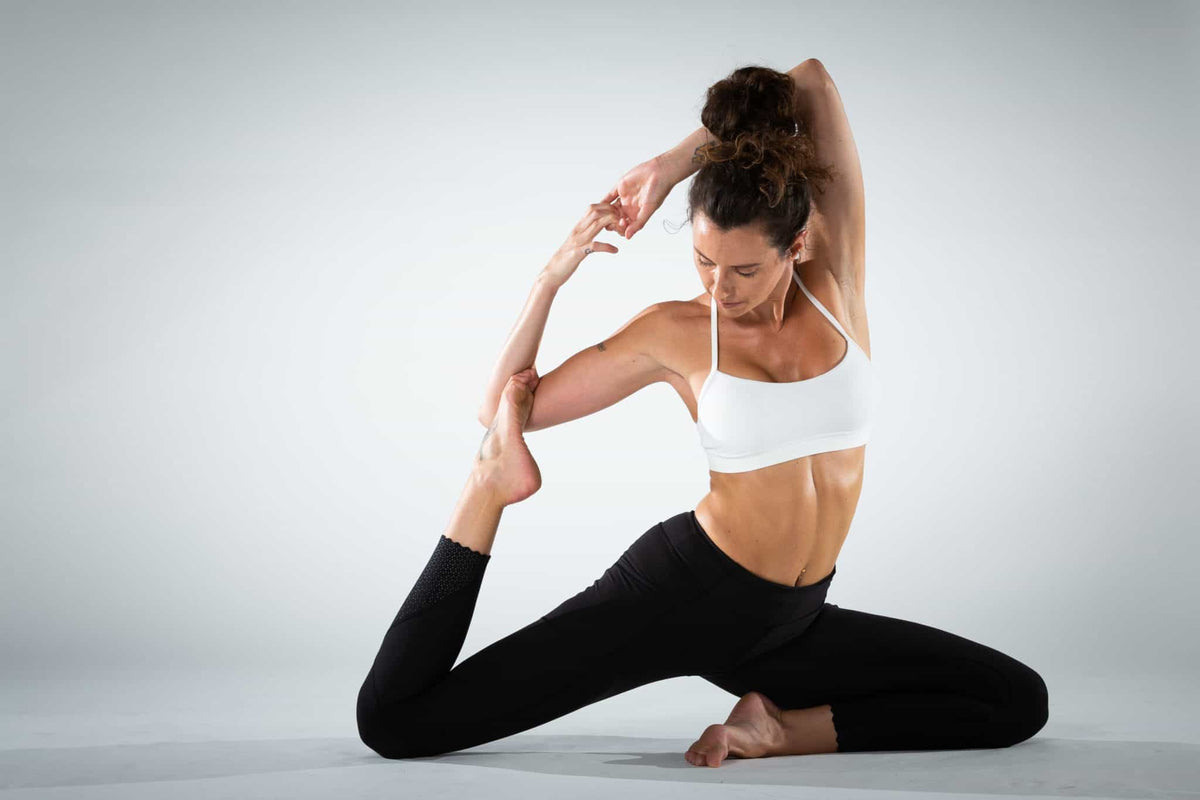
Matcha and Sports: Better Performance and Faster Recovery?
Reading time: approx. 7 minutes | Last updated: May 2026
Matcha is an effective pre-workout for endurance athletes and fitness enthusiasts. EGCG increases fat burning during moderate exercise, caffeine improves endurance, and L-theanine ensures stable focus without the jitters caused by high-caffeine sports drinks.
More and more athletes in the Netherlands are discovering matcha as an alternative to commercial pre-workout supplements. While those supplements often contain large amounts of synthetic caffeine and sugar, matcha offers a natural profile of caffeine combined with L-theanine that supports athletic performance in a different way.
Definition: Pre-workout is a term for supplements or foods consumed before exercise to improve energy, focus, and performance. Matcha qualifies as a natural pre-workout due to the combination of caffeine, L-theanine, and EGCG.
What Does the Science Say?
Quick answer: Three independent studies show that EGCG from green tea increases fat oxidation during exercise, improves endurance, and reduces oxidative stress after heavy training. The effects are strongest in endurance sports such as running and cycling.
Study 1: EGCG increases fat burning during exercise (Dulloo et al., 1999)
A double-blind, placebo-controlled study published in the American Journal of Clinical Nutrition (Dulloo et al., 1999) showed that green tea extract increased fat oxidation by an average of 17% compared to a placebo. Participants burned significantly more fat as an energy source during moderate exercise. This effect was attributed to the synergy between caffeine and EGCG, which together enhance noradrenaline's action on fat cells.
Study 2: Green tea improves endurance by 24% (Murase et al., 2006)
A study in the American Journal of Physiology (Murase et al., 2006) investigated the effect of green tea extract on running performance. After 10 weeks of supplementation, endurance improved significantly. The researchers observed an increase in fat oxidation capacity in muscle tissue, meaning the muscles use fat more efficiently as fuel. This spares glycogen reserves, allowing you to perform at a high level for longer.
Study 3: EGCG reduces muscle damage after exercise (Jowko et al., 2012)
A randomized, double-blind study published in the International Journal of Sport Nutrition (Jowko et al., 2012) examined the effect of green tea extract on recovery markers after resistance training. Result: significantly lower creatine kinase levels (a marker for muscle damage) and lower oxidative stress markers in the EGCG group compared to placebo. This suggests faster muscle recovery after heavy training.
|
Study |
Sport type |
Primary effect |
Mechanism |
Source |
|
Dulloo 1999 |
Moderate exercise |
+17% fat burning |
EGCG + caffeine synergy |
AJCN |
|
Murase 2006 |
Endurance running |
+24% endurance |
Increased fat oxidation in muscle |
AJP |
|
Jowko 2012 |
Resistance training |
Less muscle damage |
Lower creatine kinase |
IJSN |
How Does Matcha Work During Exercise?
Quick answer: EGCG and caffeine work through three channels simultaneously: they increase noradrenaline levels (more fat mobilization), increase mitochondrial efficiency in muscle cells (better fat oxidation), and reduce oxidative stress (faster recovery).
Channel 1: Fat mobilization via noradrenaline
EGCG inhibits the enzyme catechol-O-methyltransferase (COMT), which breaks down noradrenaline. Higher noradrenaline levels activate fat cells to release fatty acids into the bloodstream. More available free fatty acids mean muscles are less dependent on glycogen as fuel, which extends endurance.
Channel 2: Mitochondrial efficiency
EGCG stimulates the production of new mitochondria in muscle cells via the PGC-1alpha pathway. More and more efficient mitochondria mean better fat burning per unit of time. This effect is similar to the training effect of endurance sports themselves. Read more about what EGCG does exactly in the body.
Channel 3: Antioxidant protection during exercise
Intensive training increases the production of free radicals in muscle tissue, which contributes to muscle damage and delayed recovery. EGCG is one of the most powerful antioxidants known, and it directly neutralizes these free radicals. Less oxidative stress after training means faster recovery and less muscle soreness.
Matcha vs Commercial Pre-Workout Supplements
Quick answer: Matcha offers caffeine, L-theanine, and EGCG in one natural product, without synthetic additives, sugar, or artificial colors. Commercial pre-workouts often have higher caffeine doses but lack the L-theanine buffer and EGCG benefits.
|
Criterion |
Matcha |
Energy drink |
Pre-workout powder |
Coffee |
|
Caffeine per serving |
60-80 mg |
80-160 mg |
150-300 mg |
80-120 mg |
|
L-theanine |
30-60 mg |
0 mg |
Sometimes added |
0 mg |
|
EGCG |
60-140 mg |
0 mg |
0 mg |
0 mg |
|
Sugar |
0 g |
27-55 g |
Variable |
0 g |
|
Fat burning |
Scientifically proven |
Not proven |
Sometimes |
Limited |
|
Nervousness/jitters |
Minimal (L-theanine) |
High |
High |
Moderate |
Matcha as Pre-Workout: How and When?
Quick answer: Drink matcha 30-45 minutes before your workout for the best effect. Use 2 grams of ceremonial powder in 150 ml of 70-80 degree water. For endurance sports, an iced matcha is also fine. Do not add sugar: that disrupts fat mobilization.
|
Sport type |
Timing |
Preparation |
Reason |
|
Running |
30-45 min before |
Iced matcha, 2g, no sugar |
Caffeine peaks at running moment |
|
Cycling |
30-45 min before |
Hot or iced, 2g |
EGCG active during endurance exercise |
|
Strength training |
20-30 min before |
Hot, 2g, small volume |
Caffeine for focus and strength |
|
Yoga / pilates |
30 min before |
Hot, 1-2g |
L-theanine for mindful focus |
|
HIIT / interval |
30 min before |
Hot, 2g, no milk |
Caffeine + EGCG for intensity |
For the best fat burning: combine matcha with training on an empty stomach or 2-3 hours after your last meal. Also read our article about matcha and intermittent fasting for more context on matcha and fat metabolism.
Matcha after Exercise: Supporting Recovery
In addition to its pre-workout effect, matcha is also effective after training. EGCG neutralizes free radicals that form in muscle tissue during intense exercise. This reduces oxidative stress and supports the recovery process.
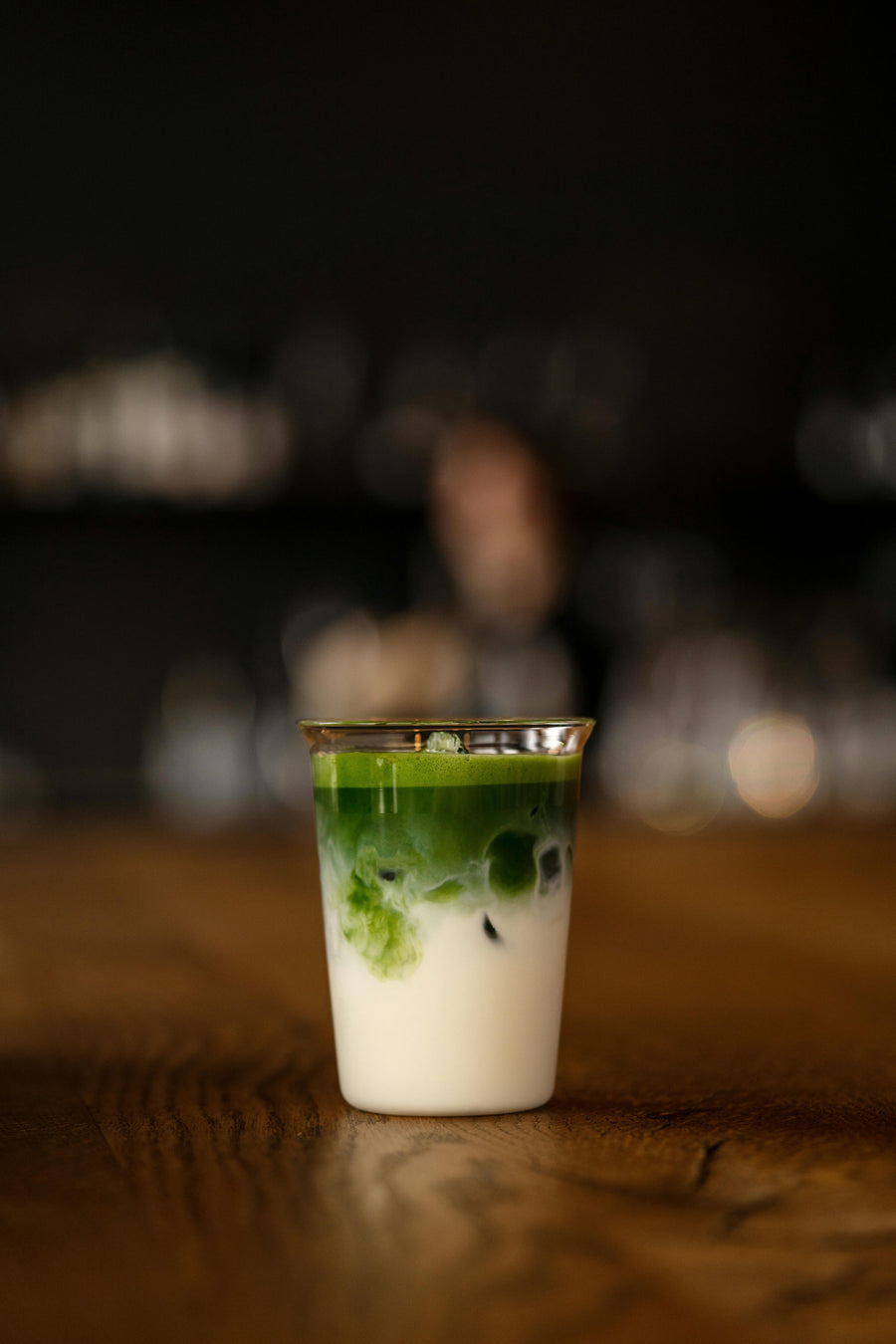
An iced matcha latte after sports combines the recovery benefits of EGCG with rehydration. Add plant-based milk for extra amino acids. Read more about the perfect iced matcha latte for recipe ideas that also work after exercise.
Athletes in Amsterdam, Rotterdam, Utrecht, The Hague, Haarlem, Almere, Zaandam, Hoofddorp, Laren, Soest, Venlo, Purmerend, and Alphen aan den Rijn are increasingly discovering matcha as part of their training routine. Ceremonial matcha from Kagoshima provides the highest EGCG concentration per cup and thus the strongest athletic effect.
Frequently Asked Questions about Matcha and Sports
Is matcha a good pre-workout?
Yes, for endurance sports and moderate to intense training. Matcha combines caffeine (focus and endurance), L-theanine (no jitters), and EGCG (fat burning and recovery) in one natural drink.
How much matcha should you drink before exercise?
2 grams of ceremonial matcha, 30-45 minutes before your workout. That equals 60-80 mg of caffeine and 60-140 mg of EGCG, the amounts that show effects in studies.
Does matcha help with weight loss through exercise?
EGCG increases fat oxidation during exercise by an average of 17% (Dulloo et al., 1999). This means you burn more fat at the same training intensity. Read more in our article about matcha and weight loss.
Can I drink matcha after exercise?
Yes. EGCG reduces oxidative stress and muscle damage after intense training. An iced matcha latte after sports combines rehydration, antioxidant protection, and a light dose of caffeine for recovery.
Is matcha better than coffee for sports?
For endurance sports: yes. L-theanine buffers nervousness during long-term exertion, EGCG increases fat burning, and there is no sugar to disrupt fat mobilization. For short, explosive efforts (sprint, powerlifting), the difference is smaller.
Matcha is a scientifically supported choice as a natural pre-workout and recovery drink. EGCG increases fat burning, caffeine improves endurance, and L-theanine prevents jitters during intensive training. Ceremonial matcha from Kagoshima from Unmatched Matcha provides the highest concentration of active ingredients per cup. Free shipping on orders over €50.